
Water Heater Repair, Installation & Maintenance
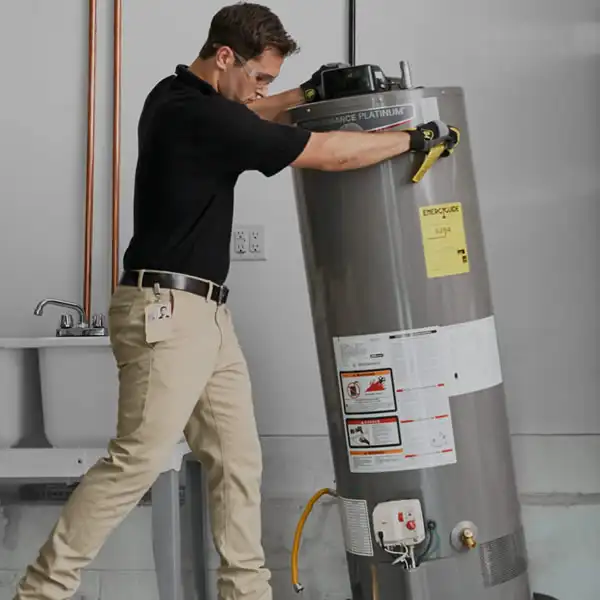
Need fast water heater repair and replacement? Reliable Rooter & Plumbing Pros certified plumbers restore hot water quickly and efficiently. We service all brands and models, offering dependable installations, repairs, and upgrades. With upfront pricing and expert workmanship, we ensure your home stays comfortable and energy-efficient year-round. Get the water heater services Sacramento area customers trust most!
- Water Heater Repair
- Water Heater Replacement
- Tankless Water Heater Installation
- Water Heater Maintenance
- Gas Water Heater Service
- Electric Water Heater Service
- Hot Water System Inspection
- Thermostat Repair
- Anode Rod Replacement
- Emergency Water Heater Service
“Water Heater Installation Near Me”

Signs You Need Water Heater Repair
Homeowners can often spot signs that their water heater needs repair by paying attention to the following:
- Inconsistent or insufficient hot water
- Strange noises like popping or rumbling from the tank
- Water leaking around the base of the heater
- Rusty or discolored hot water
- Foul or metallic smell from the hot water
- Fluctuating water temperatures
- Higher-than-normal energy or water bills
- Pilot light frequently going out (for gas models)
- Visible corrosion on the tank or connections
- Water taking longer than usual to heat up
If you experience any of these or other ongoing hot water heater issues, call the plumbing experts at Reliable Rooter Pro to schedule a service appointment.
Water Heater Repair vs. Replacement
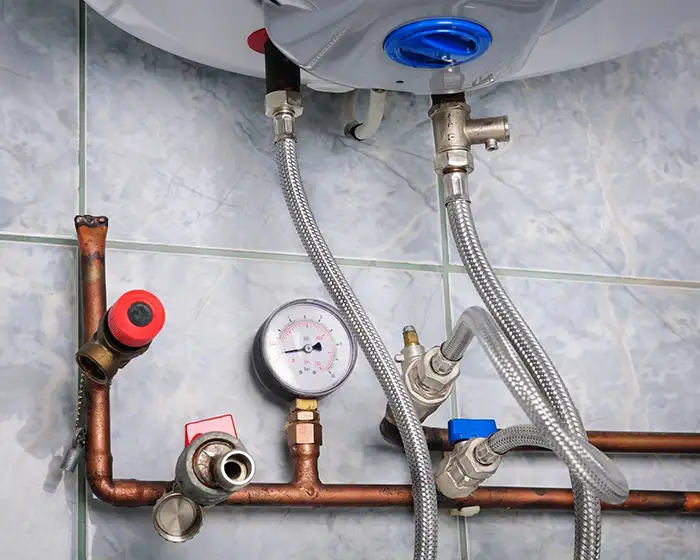
Deciding whether to repair or replace your water heater depends on a few key factors. Here’s how to make the right choice:
- Age of the unit: Most water heaters last 8–12 years. If yours is nearing that range, replacement is usually more cost-effective.
- Frequency of repairs: Frequent breakdowns or recurring issues indicate it’s time for a new unit.
- Energy efficiency: Older models often waste energy. A newer, energy-efficient model can lower utility bills.
- Water temperature issues: If your water isn’t getting hot enough despite repairs, the system may be failing.
- Rust or corrosion: Visible rust on the tank or rusty water from your faucets means the unit is deteriorating.
- Leaks: A leaking tank can’t be repaired safely—replacement is the only option.
- Cost of repair vs. replacement: If repairs cost more than half the price of a new unit, replacement makes more financial sense.
- Hot water demand: If your household has grown, a larger or tankless system may better meet your needs.

Water Heater Types
Homeowners can choose from several types of water heaters, each designed to meet different needs for efficiency, budget, and household size:
- Conventional Storage Tank Water Heater: The most common type, it stores a set amount of hot water in an insulated tank ready for use.
- Tankless (On-Demand) Water Heater: Heats water only when needed, providing endless hot water and improved energy efficiency.
- Heat Pump (Hybrid) Water Heater: Uses electricity to move heat from the air or ground to heat water, offering excellent energy savings.
- Solar Water Heater: Uses solar panels to collect energy from the sun to heat water, reducing energy costs and environmental impact.
- Condensing Water Heater: Ideal for homes using natural gas; captures exhaust gases to heat water more efficiently.
- Point-of-Use Water Heater: Installed near fixtures or appliances for instant hot water in specific locations.
- Indirect Water Heater: Works with a home’s boiler or furnace to heat water through a heat exchanger, providing efficient heating during colder months.
Tank Water Heaters

Gas and electric tank water heaters are the most common systems in homes. They store and heat a set amount of water—typically 30 to 80 gallons—in an insulated tank, keeping it ready for use.
How they work:
- Gas water heaters use a burner fueled by natural gas or propane beneath the tank. The burner heats the water, and exhaust gases are vented outside.
- Electric water heaters use heating elements inside the tank powered by electricity. A thermostat regulates water temperature and activates the elements as needed.
Advantages of tank water heaters:
- Reliable, consistent hot water supply
- Lower upfront cost than tankless systems
- Simple, affordable installation
- Easy replacement parts availability
- Compatible with existing plumbing
- Proven, time-tested technology
- Variety of tank sizes for household needs
- Straightforward maintenance and operation
- Long lifespan with proper care
- Handles high water usage efficiently

Tankless Water Heaters
Tankless water heaters provide hot water on demand without storing it in a tank. They heat water instantly as it flows through the system, making them an energy-efficient alternative to traditional tank water heaters.
How they work:
When a hot water tap is turned on, cold water travels through the unit’s heat exchanger. A gas burner or electric element rapidly heats the water to the desired temperature, delivering continuous hot water only when needed.
Advantages of tankless water heaters:
- Endless supply of hot water
- More energy-efficient than tank heaters
- Smaller, space-saving design
- Longer lifespan than traditional tank systems
- Lower risk of leaks and water damage
- Reduced standby energy loss
- Heats water quickly on demand
- Ideal for multiple bathrooms with proper sizing
- Environmentally friendly with lower energy consumption
- Customizable temperature control
Hybrid Water Heaters

Hybrid water heaters combine the features of conventional tank and heat pump technology to provide energy-efficient hot water. They store water in a tank while using a heat pump to transfer heat from the surrounding air, reducing energy consumption compared to traditional electric water heaters.
How they work:
Hybrid water heaters use a heat pump to extract heat from the air and transfer it to the water in the tank. An electric element serves as a backup when demand exceeds the heat pump’s capacity or when the surrounding air is too cold. Thermostats and smart controls optimize efficiency and maintain consistent water temperature.
Advantages of hybrid water heaters:
- Highly energy-efficient and lower utility bills
- Consistent supply of hot water
- Environmentally friendly operation
- Longer lifespan than standard electric heaters
- Reduced standby energy loss
- Can replace existing tank water heaters with minimal changes
- Smart operation modes for energy savings
- Suitable for medium to large households
- Reliable backup heating element
- Quiet operation compared to traditional systems
Service Area
We provide services across the greater Sacramento area from Davis to Auburn and Pollock Pines. If you need help with your plumbing, give us a call!
- Sacramento
- Elk Grove
- Roseville
- Citrus Heights
- Folsom
- Rancho Cordova
- Rocklin
- Davis
- Orangevale
- Woodland
- Lincoln
- Auburn
- Loomis
- Fair Oaks
- Placerville
- Pollock Pines

