All You Need to Know About Water Heaters
A water heater is one of those systems most people don’t think about until something goes wrong. Whether it’s a cold shower on a busy morning or a leaking tank in the garage, water heater problems can quickly disrupt daily life. Understanding how water heaters work, what types are available, common issues, and when to repair or replace your system can help you avoid costly surprises and keep your home running smoothly. This guide covers everything you need to know about water heaters, from basic operation to maintenance tips and replacement considerations.
How a Water Heater Works
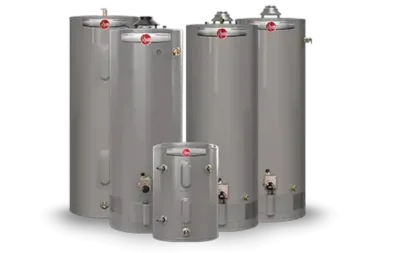 At its core, a water heater does exactly what its name suggests—it heats water and supplies it throughout your home or business. Most systems work in one of two ways:
Traditional tank water heaters store a set amount of water (typically 30–80 gallons) in an insulated tank. The system continuously heats the water so it’s ready when you need it.
Tankless water heaters, on the other hand, heat water on demand. When you turn on a faucet or appliance, cold water flows through the unit and is heated instantly.
Both systems rely on either gas or electricity to generate heat, and both include important safety components like thermostats, pressure relief valves, and temperature controls.
Types of Water Heaters
One of the most important things to know about water heaters are the different types available. Choosing the right water heater depends on your household size, energy preferences, and budget.
Traditional Tank Water Heaters
Tank water heaters are the most common option in homes. They are generally more affordable upfront and easier to install. However, they can run out of hot water during heavy use and tend to be less energy-efficient since they constantly heat stored water.
Tankless Water Heaters
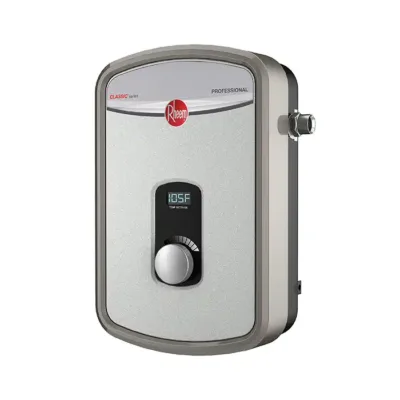 Tankless water heaters are known for efficiency and convenience. They provide an unlimited supply of hot water, making them ideal for larger families or homes with high demand. While the upfront cost is higher, they often last longer and reduce energy consumption over time.
Gas vs Electric Water Heaters
Gas water heaters typically heat water faster and are more cost-effective in areas where natural gas is available. Electric models are easier to install and are often used in smaller homes or where gas lines are not available.
Hybrid Water Heaters
A hybrid water heater combines a traditional tank system with heat pump technology to improve energy efficiency. It pulls heat from the surrounding air to warm water, reducing electricity use and lowering utility costs. Ideal for homeowners seeking eco-friendly performance, it delivers reliable hot water with advanced, energy-saving operation.
Common Water Heater Problems
Like any appliance, water heaters can develop issues over time. Some of the most common problems include:
- No hot water is one of the most obvious signs something is wrong. This could be caused by a faulty heating element, pilot light issues, or thermostat failure.
- Inconsistent water temperature often indicates sediment buildup or a malfunctioning thermostat.
- Leaking water heaters should always be addressed quickly, as leaks can lead to significant water damage.
- Strange noises such as popping or rumbling usually come from sediment buildup inside the tank.
- Rusty or discolored water may indicate corrosion inside the tank or aging components.
Recognizing these early warning signs can help prevent more serious damage and expensive repairs.
Water Heater Repair vs Replacement
One of the most common questions homeowners face is whether to repair or replace a water heater.
In many cases, repairs are sufficient if the system is relatively new and the issue is minor. Common repairs include replacing heating elements, fixing thermostats, or addressing small leaks.
However, replacement is often the better option if:
- The unit is more than 8–12 years old
- Repairs are becoming frequent or expensive
- The tank is leaking or corroded
- Hot water supply is no longer sufficient
- Energy bills are increasing due to inefficiency
A new water heater can improve performance, reduce energy costs, and provide more reliable hot water.
Water Heater Installation Basics
Installing a water heater is not a DIY-friendly task. Proper installation requires knowledge of plumbing, electrical systems, and local building codes.
A professional installation ensures:
- Correct sizing for your home’s needs
- Safe gas or electrical connections
- Proper venting and pressure regulation
- Code compliance and safety standards
Choosing the right size and type of system is especially important. A unit that is too small will struggle to meet demand, while an oversized system can waste energy.
Maintenance Tips for Longer Lifespan
Regular maintenance is one of the best ways to extend the life of your water heater and improve efficiency. Here are some things that will help:
- Flushing the tank once a year helps remove sediment buildup, which can reduce heating efficiency and cause noise.
- Checking the temperature setting ensures the water is hot enough for use without wasting energy. Most experts recommend around 120°F.
- Inspecting the pressure relief valve helps prevent dangerous pressure buildup inside the tank.
- Looking for leaks or corrosion around the unit can help catch problems early.
- Scheduling professional inspections ensures all components are working properly and safely.
With proper care, a water heater can last significantly longer and perform more efficiently.
Energy Efficiency and Cost Savings
Modern water heaters are designed to be more energy-efficient than older models. Upgrading to a high-efficiency system or tankless unit can help reduce monthly utility bills.
Additional ways to improve efficiency include:
- Lowering thermostat settings slightly
- Insulating older water heater tanks
- Fixing leaks promptly
- Performing regular maintenance
Small improvements can add up to significant savings over time.
Emergency Water Heater Issues
Some water heater problems require immediate attention. You should contact a professional right away if you experience:
- Major leaks or flooding
- No hot water during cold weather
- Burning smells or electrical issues
- Gas odors near the unit
- Complete system failure
Fast response can help prevent property damage and restore hot water quickly.
Choosing the Right Professional Service
When it comes to water heater repair or installation, choosing an experienced plumbing professional is key. A qualified technician can accurately diagnose issues, recommend the best solution, and ensure safe, code-compliant work.
Look for a service provider that offers:
- Licensed and insured technicians
- Same-day or emergency availability
- Transparent pricing
- Experience with both tank and tankless systems
- Strong local reputation
Reliable service ensures your system is handled correctly the first time.
Final Thoughts
Water heaters are essential to everyday comfort, yet they’re often overlooked until problems arise. It’s important to know about water heaters, how they work, recognizing early warning signs, and by investing in proper maintenance, you can extend the life of your system and avoid unexpected breakdowns.
Whether you’re dealing with a minor repair, planning a replacement, or considering an upgrade to a tankless system, having the right information helps you make smarter decisions and keep your hot water flowing reliably year-round.