The Pros and Cons of Tankless Water Heaters
 If you’re considering upgrading your home’s water heating system, you’ve likely heard of tankless water heaters. These compact, energy-efficient units are becoming increasingly popular among homeowners—but are they right for you? In this post, we’ll break down the pros and cons of tankless water heaters to help you make an informed decision.
What Is a Tankless Water Heater?
Unlike traditional water heaters that store and heat a large tank of water, tankless water heaters heat water on demand. When you turn on a hot water tap, cold water flows through a heating element (gas or electric), providing a continuous supply of hot water without the need for storage.
Pros of Tankless Water Heaters
1. Energy Efficiency
Tankless systems only heat water as needed, eliminating standby heat loss. This can result in lower energy bills, especially in homes with lower water usage.
2. Endless Hot Water
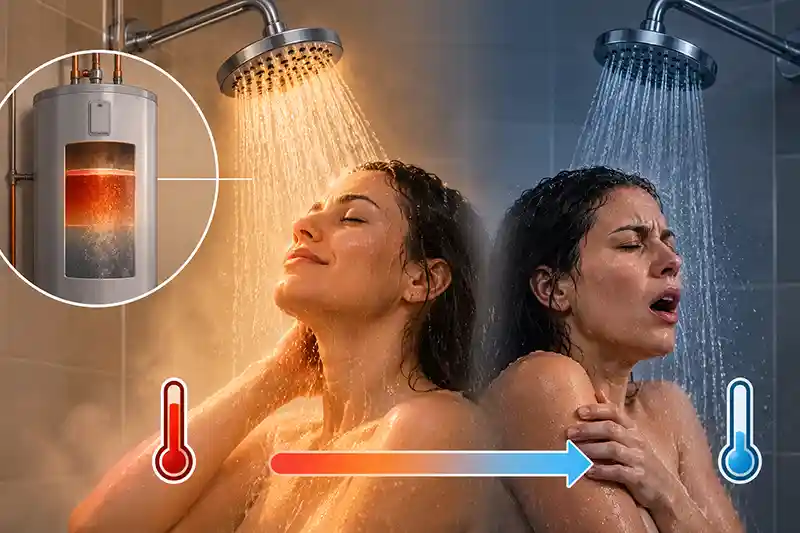
Say goodbye to cold showers. Tankless heaters provide a constant flow of hot water, ideal for large families or back-to-back usage.
3. Space Saving
These units are compact and mount on the wall, freeing up valuable space in utility rooms or closets.
4. Longer Lifespan
Tankless water heaters often last up to 20 years, compared to 10–15 years for traditional tank models.
5. Cleaner Water
Since there’s no tank for water to sit in, there’s less risk of sediment buildup and rust, meaning cleaner water over time.
Cons of Tankless Water Heaters
1. Higher Upfront Cost
The initial cost of the unit and installation can be significantly more than a standard tank water heater.
2. Limited Output
While they provide continuous hot water, tankless units can struggle to keep up with simultaneous demand from multiple fixtures without proper sizing.
3. Retrofitting Challenges
Installing a tankless heater may require upgrades to your home’s electrical system or gas lines, adding to installation complexity and cost.
4. Inconsistent Temperature in Some Situations
Some users report fluctuating temperatures if hot water is used at low flow rates or intermittently.
5. Regular Maintenance Needed
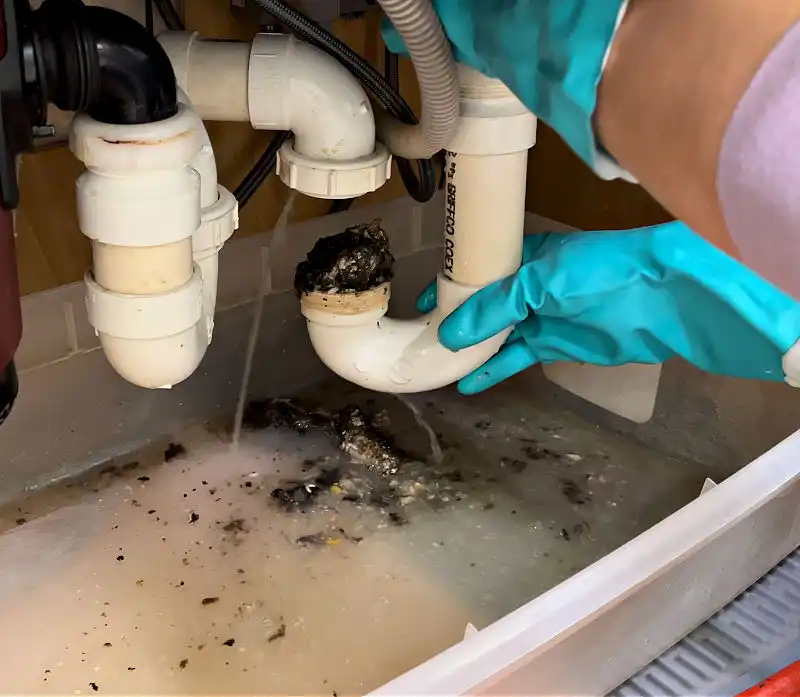
To keep your unit running efficiently, especially in hard water areas, regular descaling and maintenance are necessary.
Is a Tankless Water Heater Right for You?
If energy savings, space efficiency, and long-term performance are your priorities, a tankless water heater may be a great fit. However, if you’re looking for a lower upfront investment or have high simultaneous hot water demand, you may want to consider a traditional tank model or a hybrid option.
Every home is different. The best way to determine what’s right for your needs is to speak with a licensed plumber who can evaluate your household usage and recommend the best solution.
Thinking about making the switch? Contact us today for a professional consultation and installation quote!