
Leaky Faucet: Causes and Fixes
A leaky faucet might seem like a small annoyance, but over time it can waste gallons of water, increase your utility bills, and even cause damage to your fixtures. The steady drip is not just frustrating—it’s a sign that something isn’t working properly inside your plumbing system. Understanding the common causes of a leaky faucet and how to fix them can save you time, money, and stress.
Why You Shouldn’t Ignore a Leaky Faucet
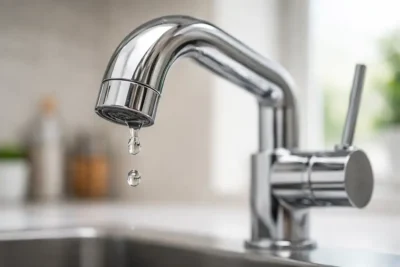 Many homeowners put off fixing a dripping faucet because it doesn’t seem urgent. However, even a slow drip can waste hundreds of gallons of water each year. This not only impacts your water bill but also contributes to unnecessary water waste. In some cases, leaks can worsen over time, leading to more expensive repairs or even damage to surrounding surfaces.
Common Causes of a Leaky Faucet
1. Worn-Out Washer
One of the most common causes of a leaky faucet is a worn-out washer. In compression-style faucets, washers press against the valve seat to stop water flow. Over time, constant friction can wear down the washer, causing water to seep through and create a drip.
2. Damaged O-Ring
The O-ring is a small rubber ring that helps seal the faucet handle. If this component becomes loose or worn, it can cause leaks near the handle area. This is especially common in older faucets or those that experience frequent use.
3. Corroded Valve Seat
The valve seat connects the faucet to the spout. Over time, mineral deposits from hard water can cause corrosion in this area, leading to leaks around the spout. Regular cleaning and maintenance can help prevent this issue.
4. Faulty Cartridge
Modern faucets often use cartridges to control water flow. If the cartridge becomes cracked, worn, or clogged, it can lead to leaks. Cartridge issues are common in both kitchen and bathroom faucets and typically require replacement.
5. Loose or Worn Parts
Faucets contain several small components that can loosen or degrade over time. Nuts, seals, and other internal parts may shift out of place, allowing water to escape. Routine inspections can help catch these problems early.
6. High Water Pressure
If your home’s water pressure is too high, it can put extra stress on your faucet components. This can lead to leaks, especially when the faucet is turned off. Installing a pressure regulator can help prevent this issue.
How to Fix a Leaky Faucet
Step 1: Turn Off the Water Supply
Before starting any repair, turn off the water supply to the faucet. This is usually done using shut-off valves located under the sink. Once the water is off, turn on the faucet to release any remaining pressure.
Step 2: Disassemble the Faucet
Carefully remove the handle and other components to access the internal parts. Keep track of each piece so you can reassemble the faucet correctly later.
Step 3: Inspect and Replace Damaged Parts
Check the washer, O-ring, cartridge, and other components for signs of wear or damage. Replace any faulty parts with new ones that match your faucet model. This is often the most effective way to stop the leak.
Step 4: Clean Mineral Deposits
If you notice buildup or corrosion, clean the affected areas using a vinegar solution or a gentle cleaner. Removing mineral deposits can improve performance and prevent future leaks.
Step 5: Reassemble and Test
Once all repairs are complete, reassemble the faucet and turn the water supply back on. Test the faucet to ensure the leak has been fixed and everything is functioning properly.
When to Call a Professional
While many faucet leaks can be fixed with basic tools and replacement parts, some issues require professional help. If the leak persists, the faucet is heavily corroded, or you’re unsure about the repair process, it’s best to call a licensed plumber. A professional can quickly diagnose the problem and provide a long-lasting solution.
Preventing Future Faucet Leaks
Regular maintenance is key to preventing leaks. Periodically check your faucets for signs of wear, clean mineral buildup, and avoid overtightening handles. Installing high-quality fixtures can also reduce the likelihood of future problems.
Final Thoughts
A leaky faucet is more than just a nuisance—it’s a problem that can waste water and lead to bigger issues if left untreated. By understanding the common causes and knowing how to fix them, you can take control of your home’s plumbing and keep your faucets running smoothly. Whether you choose a DIY approach or call in a professional, addressing leaks promptly will save you money and protect your home in the long run.


